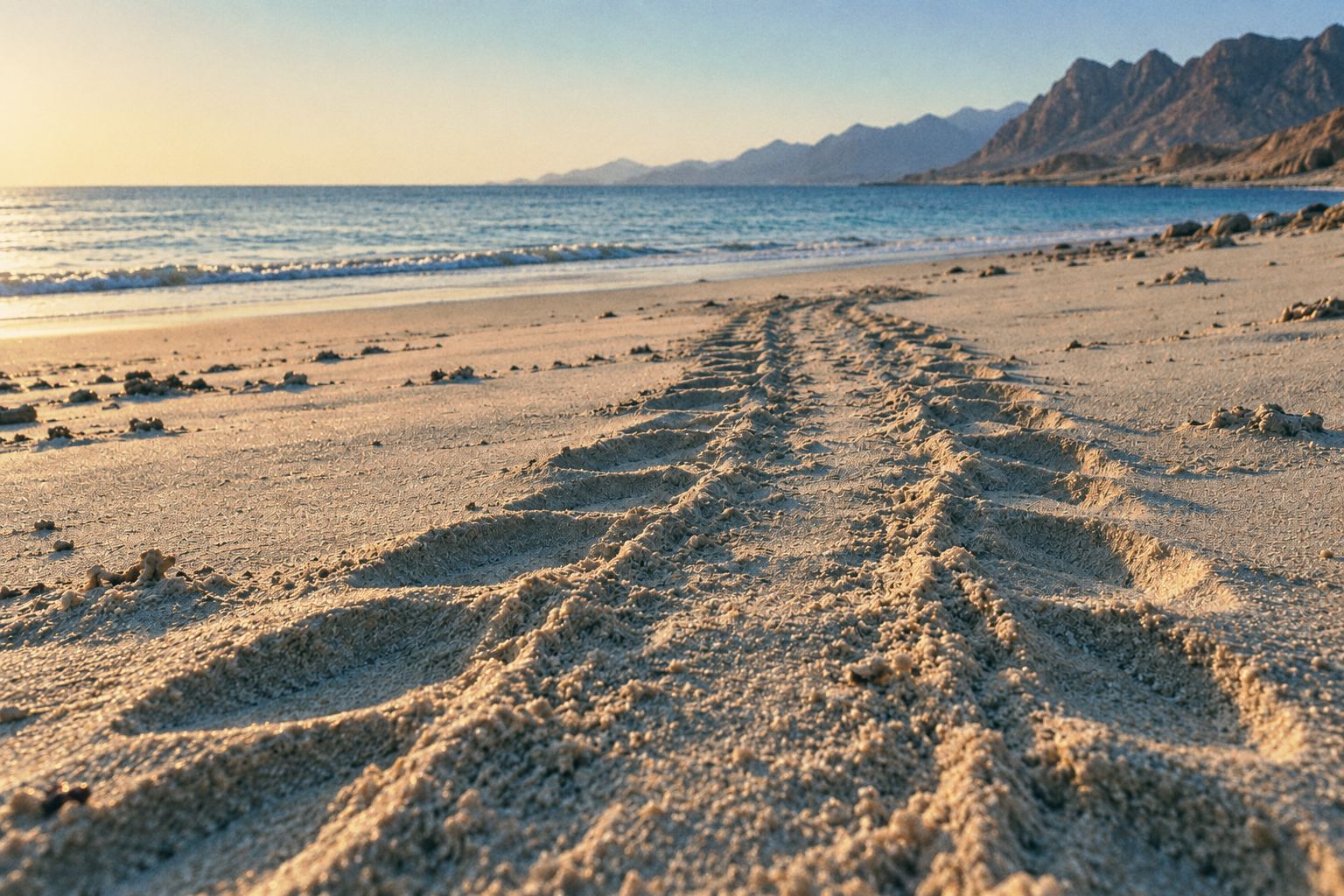
Volunteer
Animal care, beach clean-ups, awareness work and field monitoring. Four hours a day, for a week or more.
Volunteer with us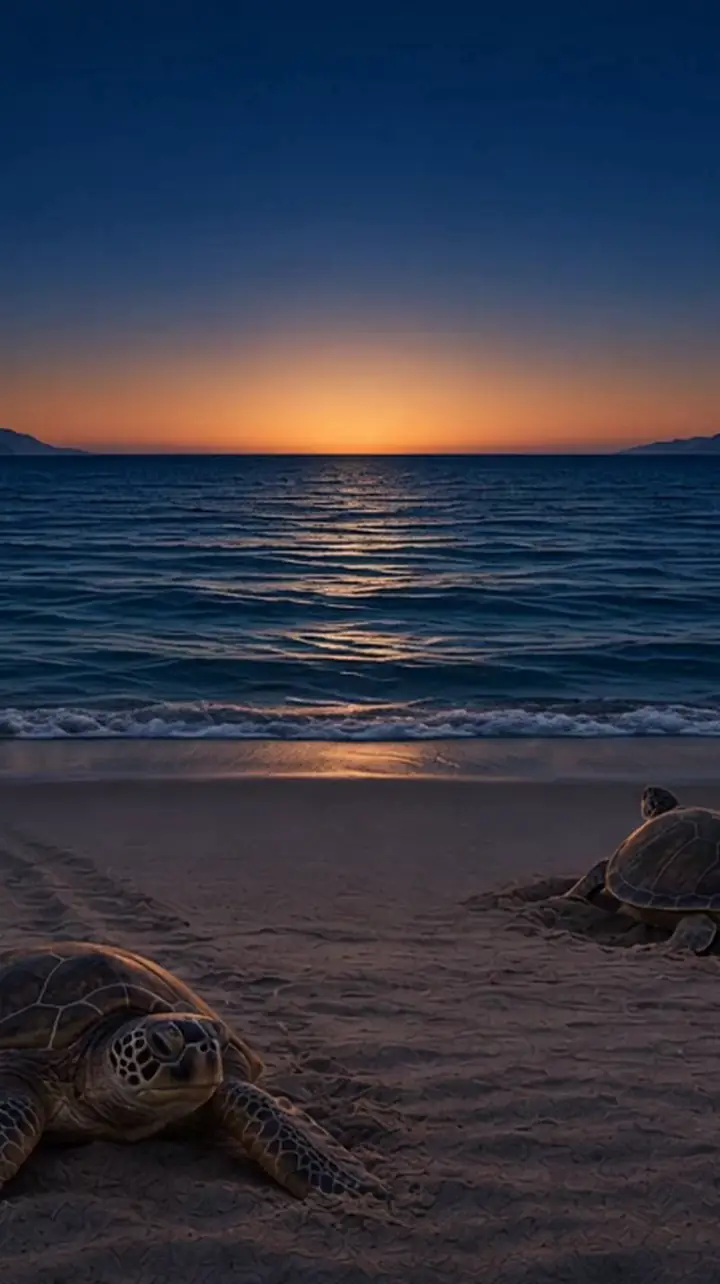
Be one of the early pioneers: help us build the first sea turtle rehabilitation centre in Egypt.
Illustration of Soft Beach Camp, Tarabin Beach
Walk the sands that belong to turtles
Experience a true adventure on the sands of Tarabin Beach and in the Red Sea.
Immerse yourself in defending the wild
Help build harmony between turtles and human beings.
Be a light for sea turtles
On land and at sea, help rescue, treat and release the green and hawksbill turtles of the Red Sea.
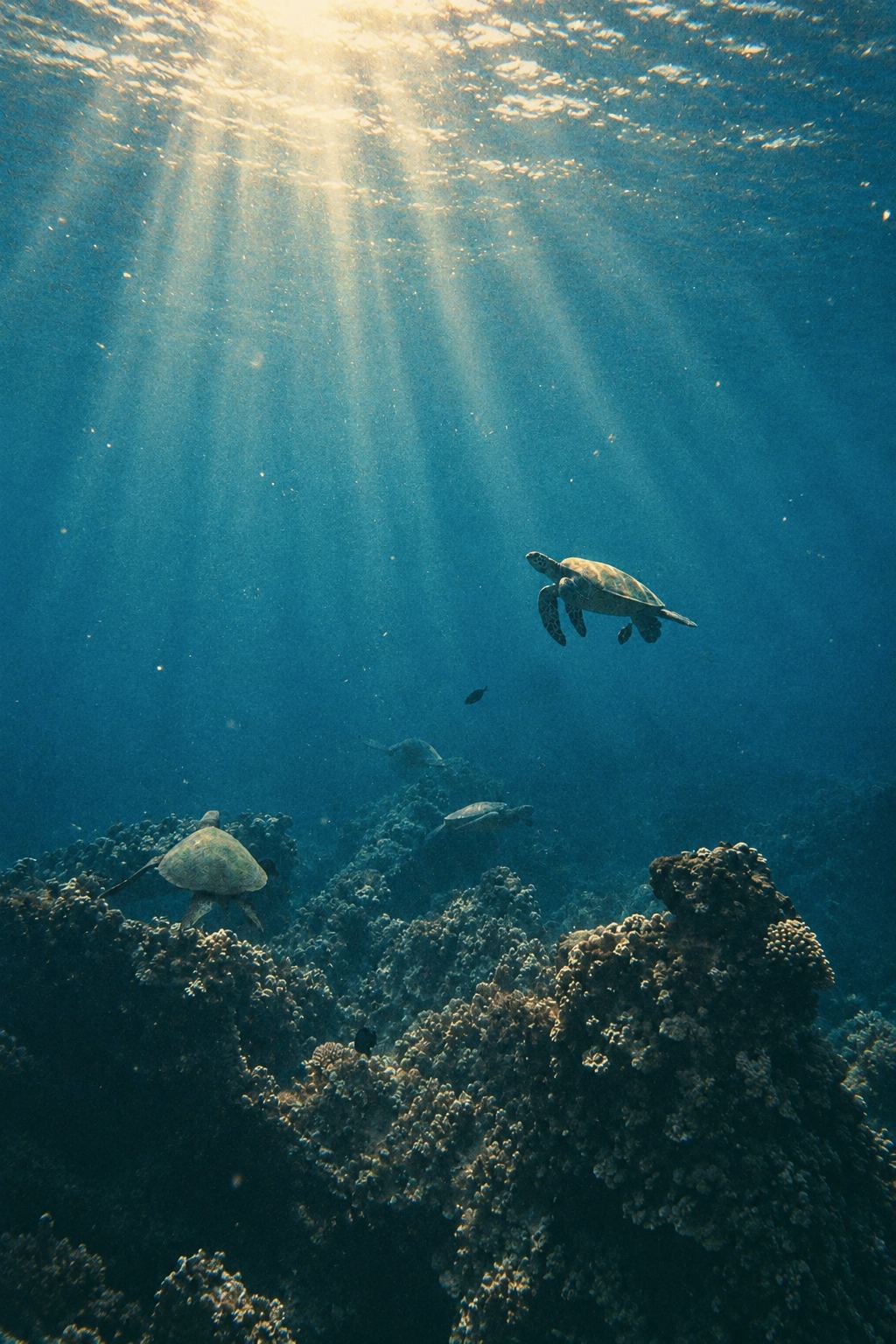
On the Gulf of Aqaba, the granite mountains of South Sinai drop straight into the Red Sea reef. Green and hawksbill turtles live along that line: grazing the shallow seagrass, feeding among the corals.
The T.U.R.B.E.I.N.G.s Foundation for Integrated Environmental Conservation works along the coast and sea from Taba, through Nuweiba and Dahab, to Sharm El Sheikh, in support of Egypt's Ministry of Environment and the South Sinai Protectorates.
Five species of sea turtle have been recorded in the Red Sea. Green and hawksbill turtles are the regular neighbours along the South Sinai coast. Loggerheads and olive ridleys visit more rarely.
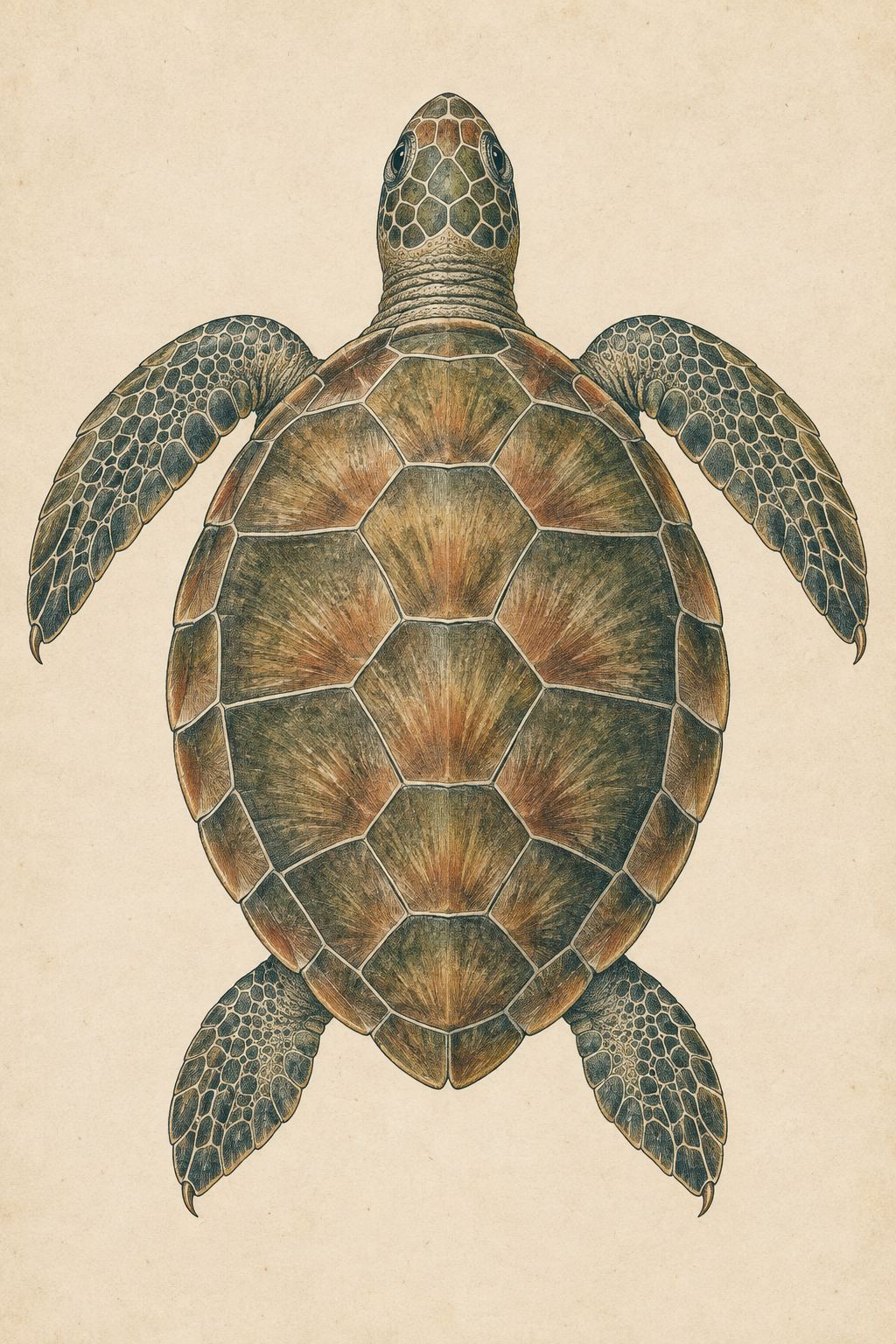
Chelonia mydas
The gentle grazer. Adults feed mostly on seagrass and algae, often in the shallow seagrass meadows of the Gulf of Aqaba. They can grow to over a metre and live for many decades.
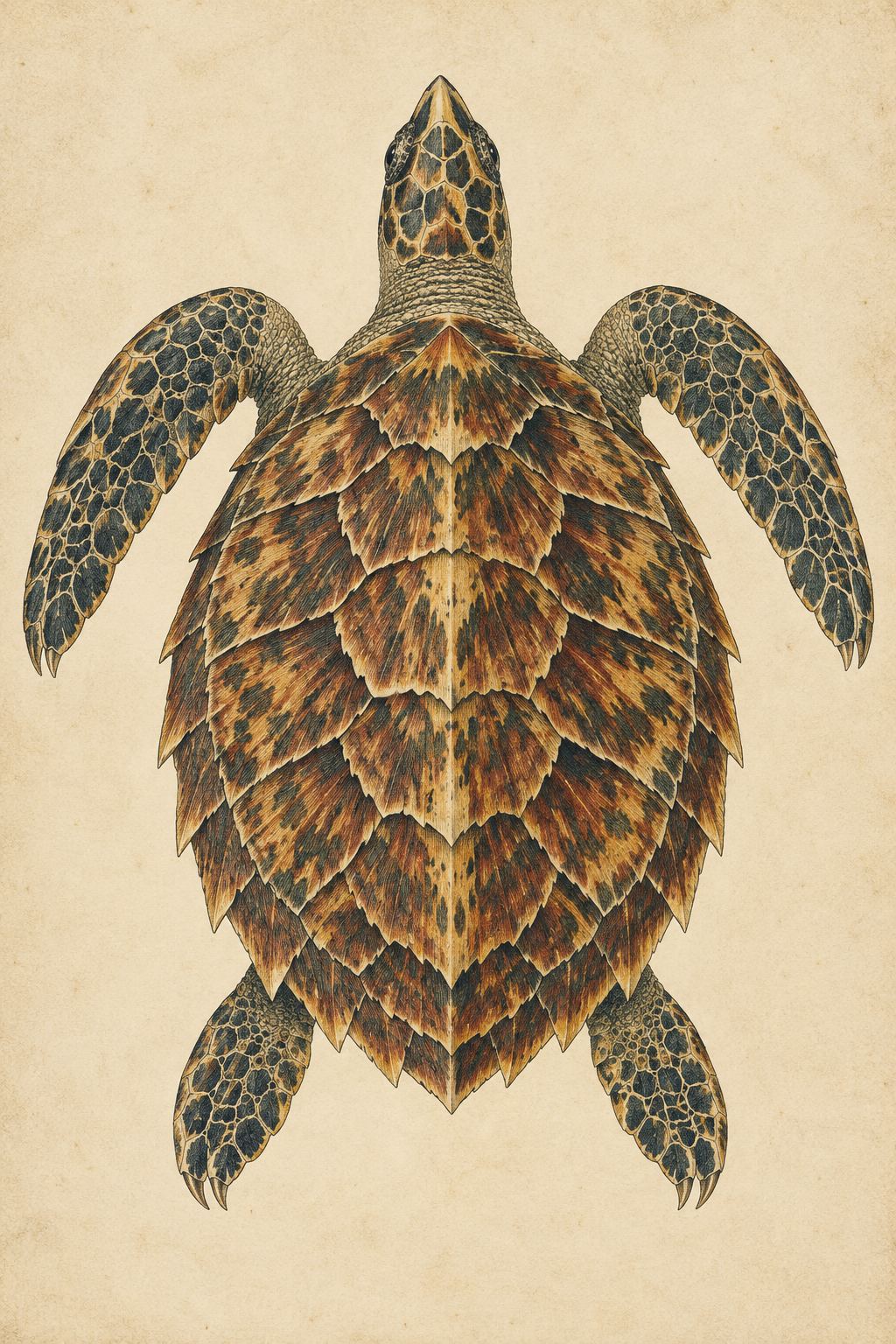
Eretmochelys imbricata
IUCN, worldwide Critically Endangered
The reef dweller, known by its narrow, bird-like beak and overlapping shell plates. It feeds on sponges among the corals.
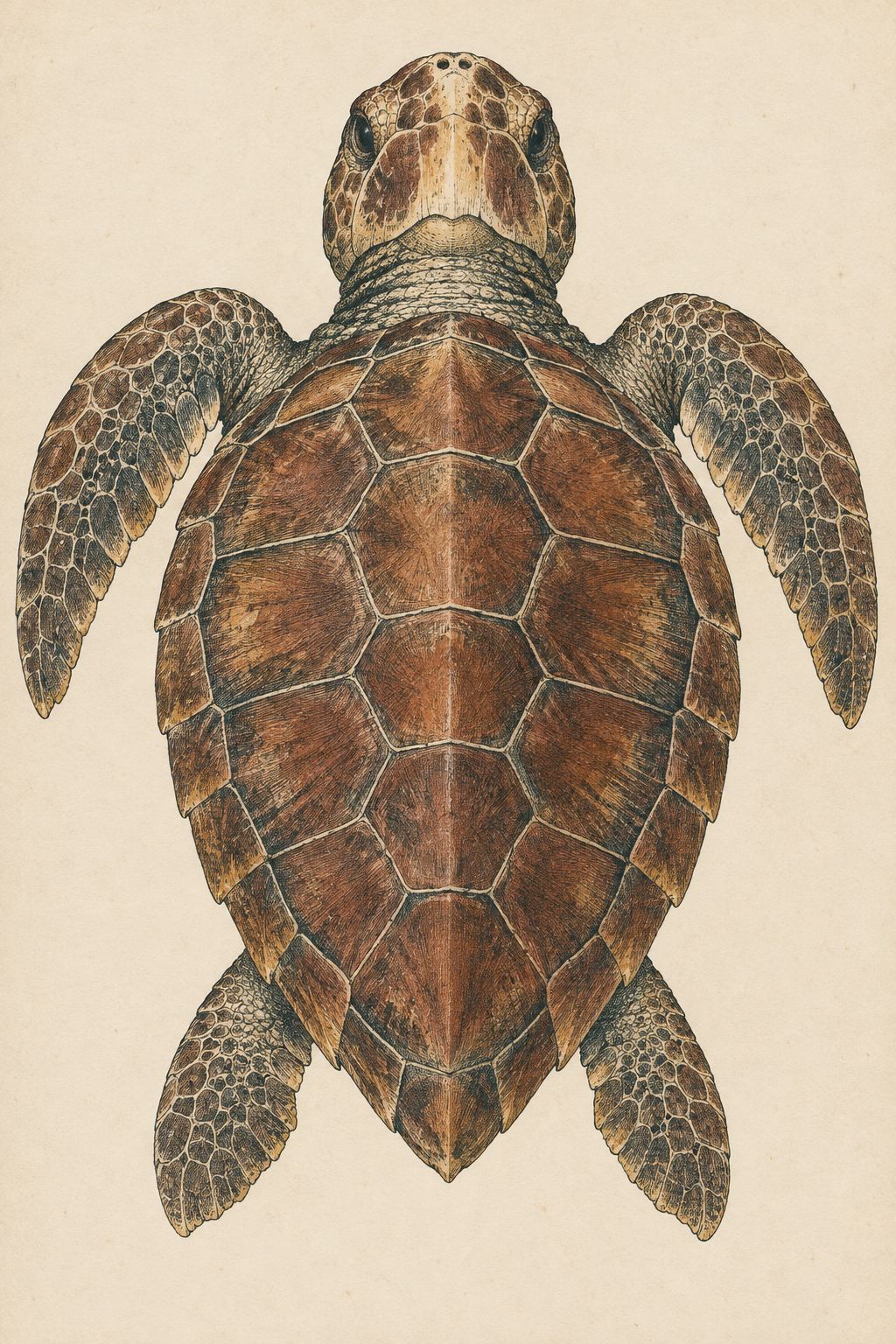
Caretta caretta
IUCN, worldwide Vulnerable
Named for its large head and powerful jaws, built to crush crabs and shellfish. A great ocean traveller, and a rarer visitor to the Red Sea.
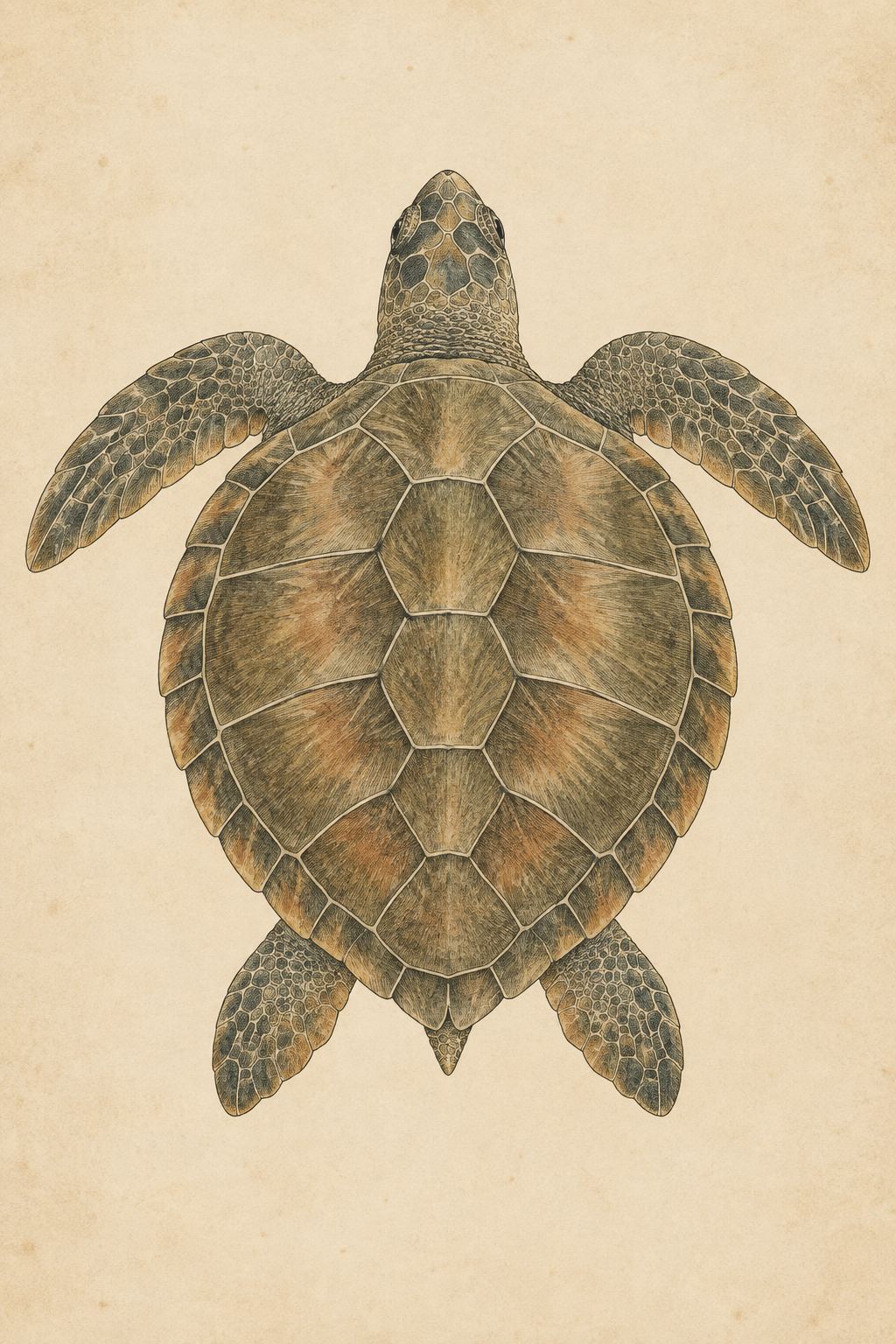
Lepidochelys olivacea
IUCN, worldwide Vulnerable
One of the smallest sea turtles, with an olive, heart-shaped shell. Elsewhere it nests in huge groups on the same beaches. In the Red Sea it is only seen now and then.
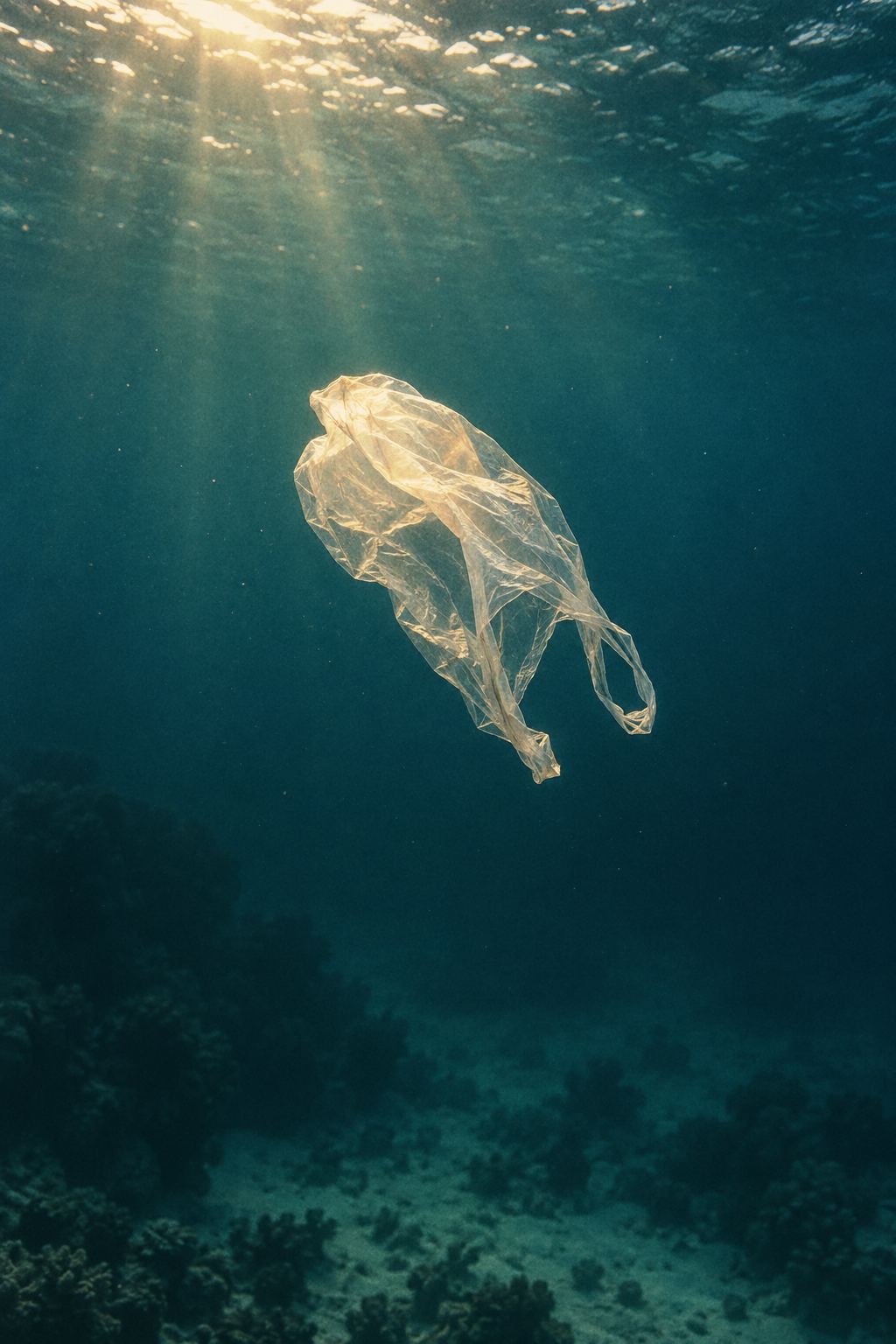
Bags and fragments look like food. Once swallowed, they block the gut.
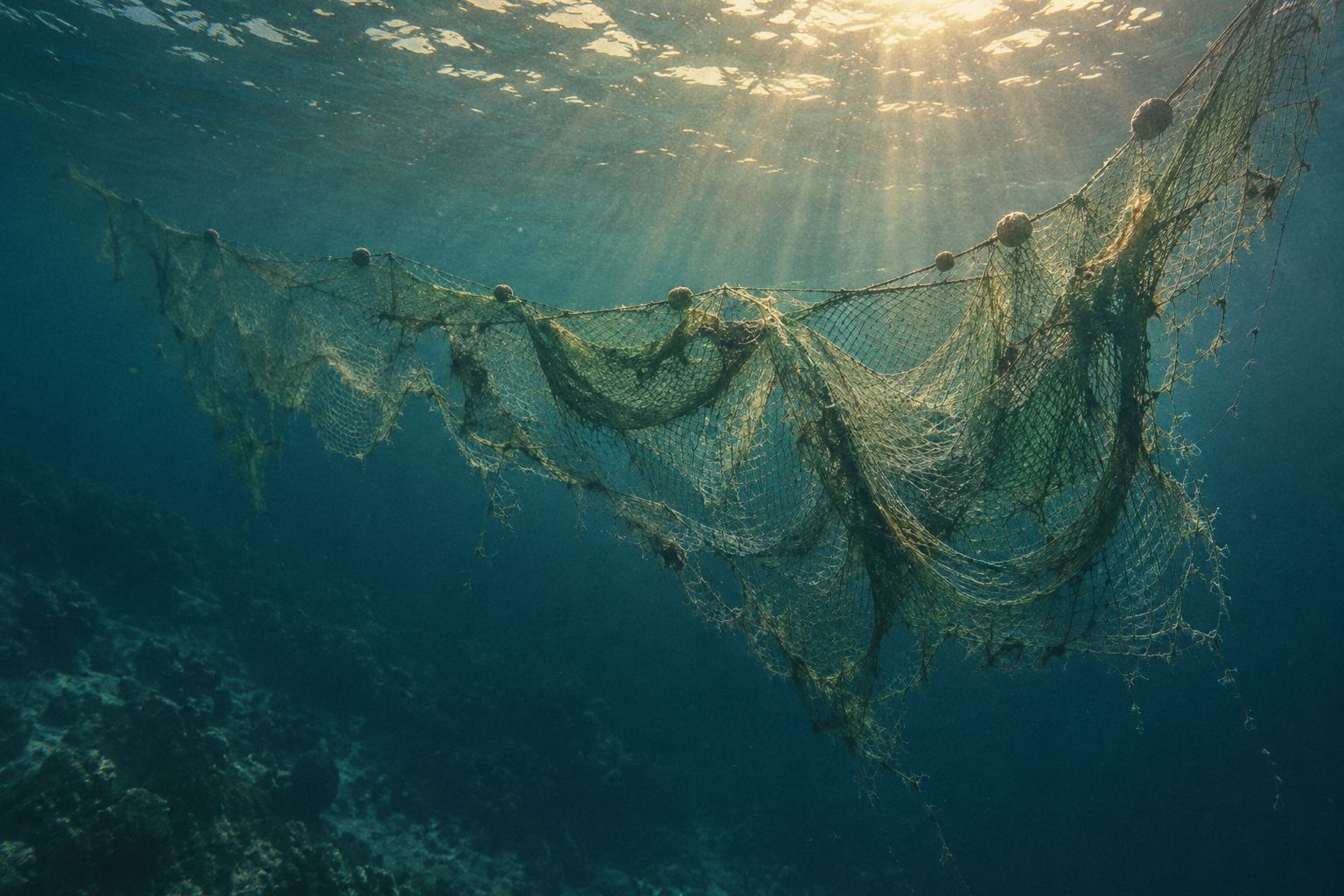
Hooks, lines and abandoned nets cause deep wounds and drowning.
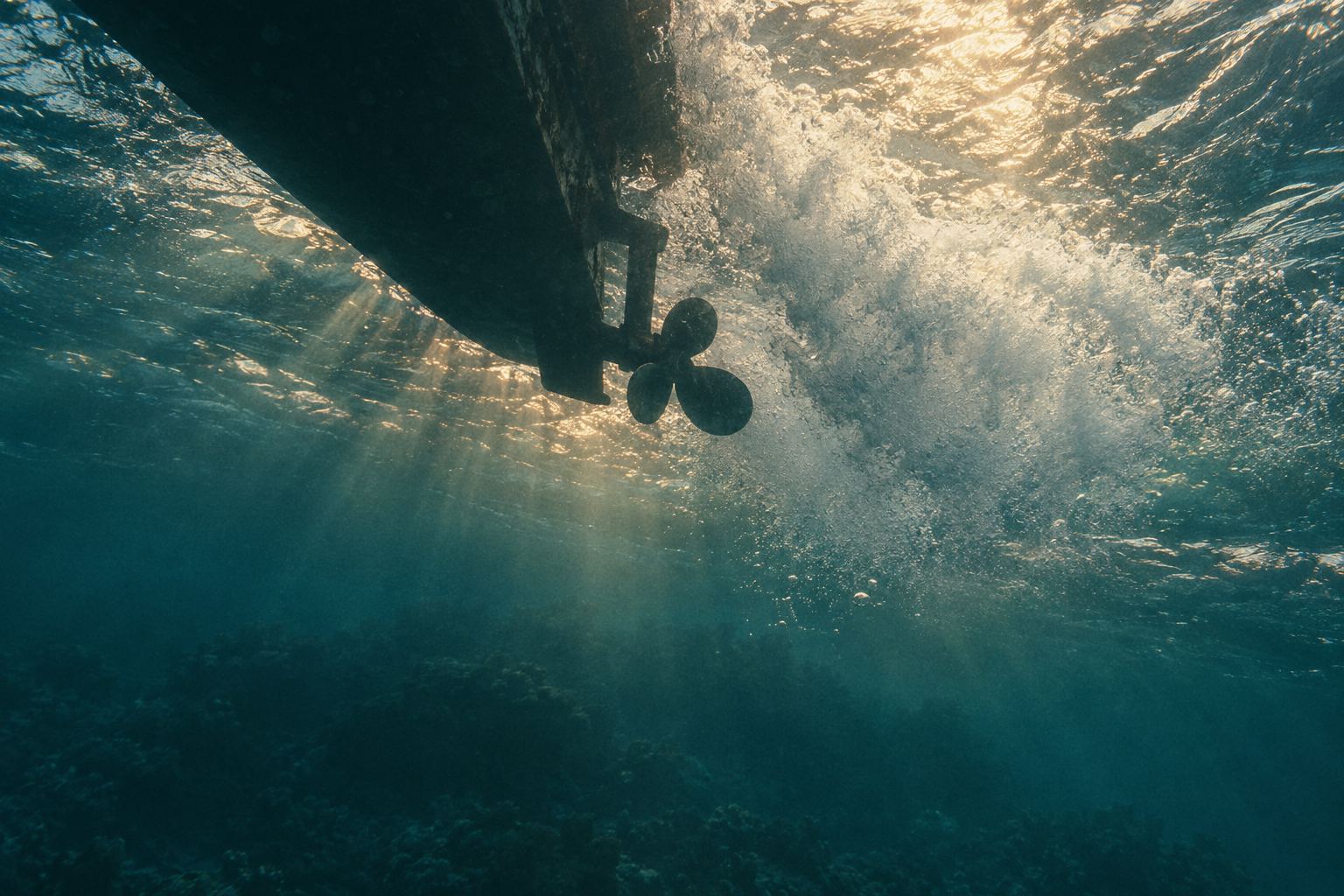
Turtles come up to breathe and are hit by hulls and propellers.
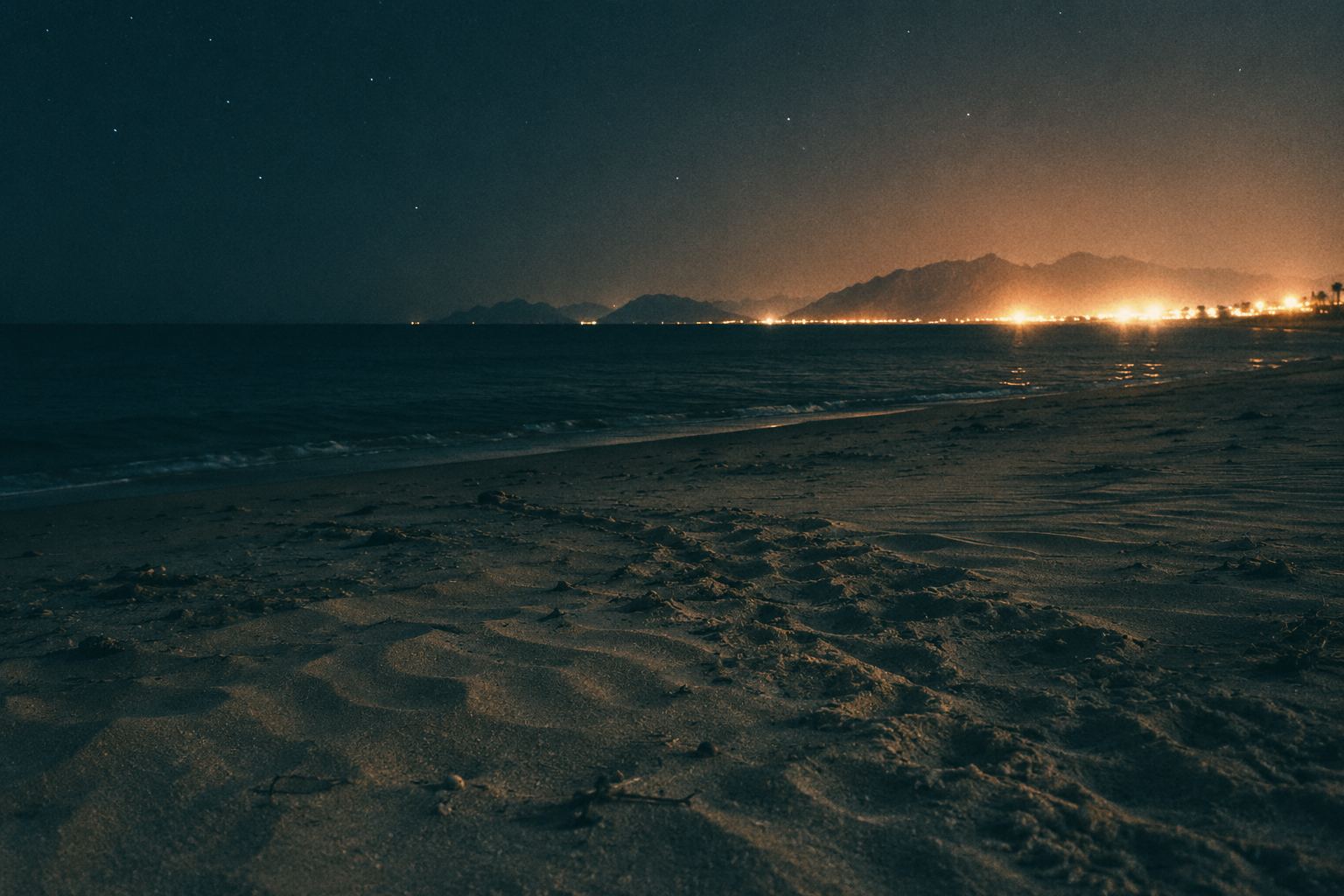
Lights, building work and traffic on the shore disrupt nesting.
Each letter of T.U.R.B.E.I.N.G.s is a department of the foundation, to be led by a specialist in its field.
The marine intensive care unit in Dahab: treatment protocols and training for the medical teams.
Coral farming and propagation labs, and monitoring of climate change in the Gulf of Aqaba.
Field plans to repair damaged coastal and land ecosystems across South Sinai.
Inventory, documentation and protection of the endangered plants and animals of the Sinai peninsula.
A solid national database, built with research centres, to keep resources in balance.
Bridges with the tribes of Sinai and their traditional knowledge, the volunteer network and awareness programmes.
The wildlife hospital and quarantine wards in Nuweiba, for land animals, birds and desert falcons.
Coordination with the Ministry of Environment, the Environmental Affairs Agency and the protectorates; legal follow-up and licences.
The financial model, international grants and strategic partnerships that keep the work going.
Two sites are planned under a non-profit environmental usufruct, built from light, eco-friendly materials that suit Sinai, running entirely on solar power and without harming any reef or shoreline.
Animal care, beach clean-ups, awareness work and field monitoring. Four hours a day, for a week or more.
Volunteer with usBeach huts and rooms at Soft Beach Camp on Tarabin Beach, Nuweiba, from 600 EGP a night. Every stay helps protect sea turtles.
See the campMoney, but also logistics, medical supplies and animal-care equipment. See exactly what your support pays for.
What it pays forGrant bodies, sponsors, scientific bodies, dive clubs, camps and authorities: there is a place for every kind of partner.
Partner with us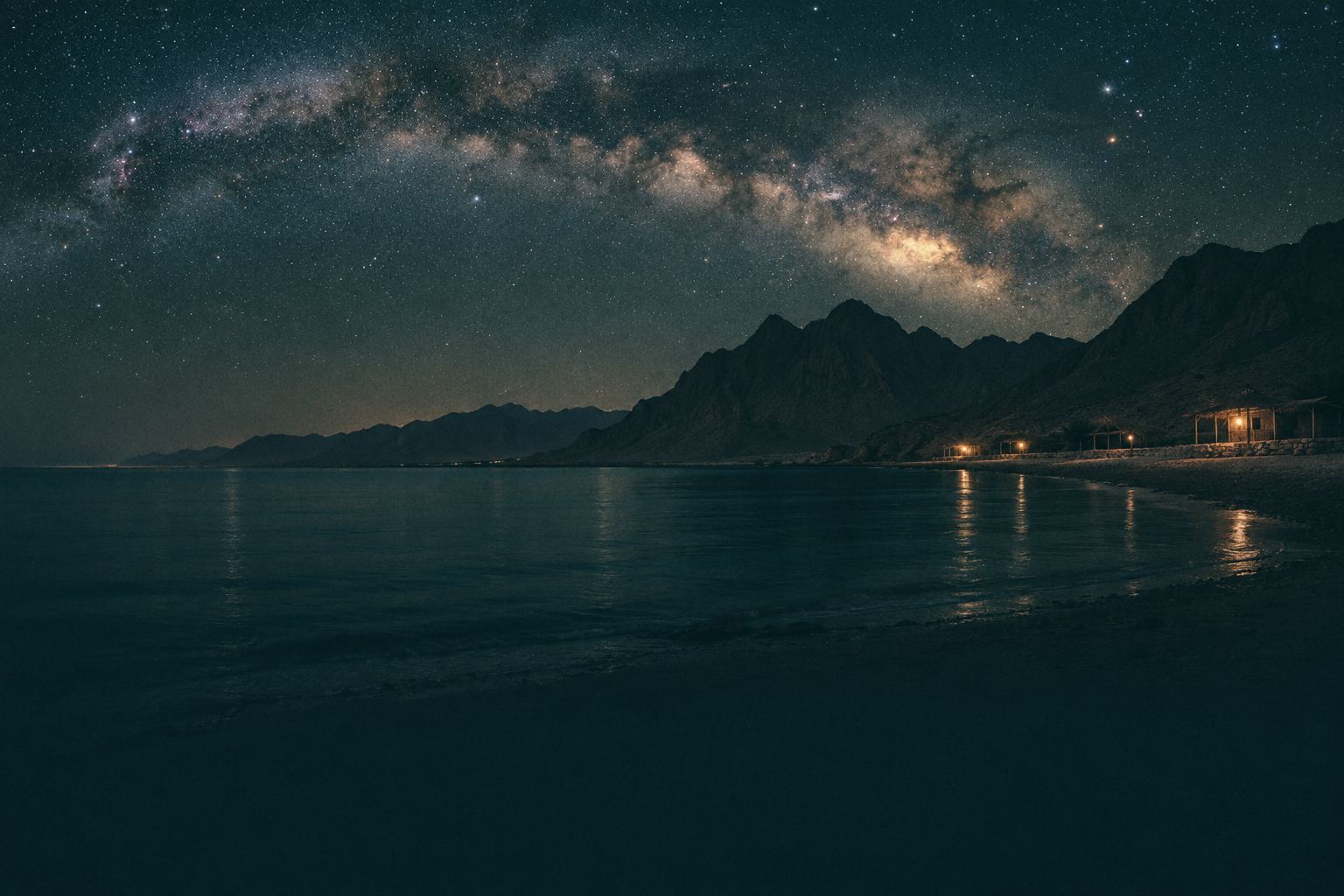
For rescues, partnerships, volunteering, donations or a stay at the camp, write or call. WhatsApp is the quickest.